
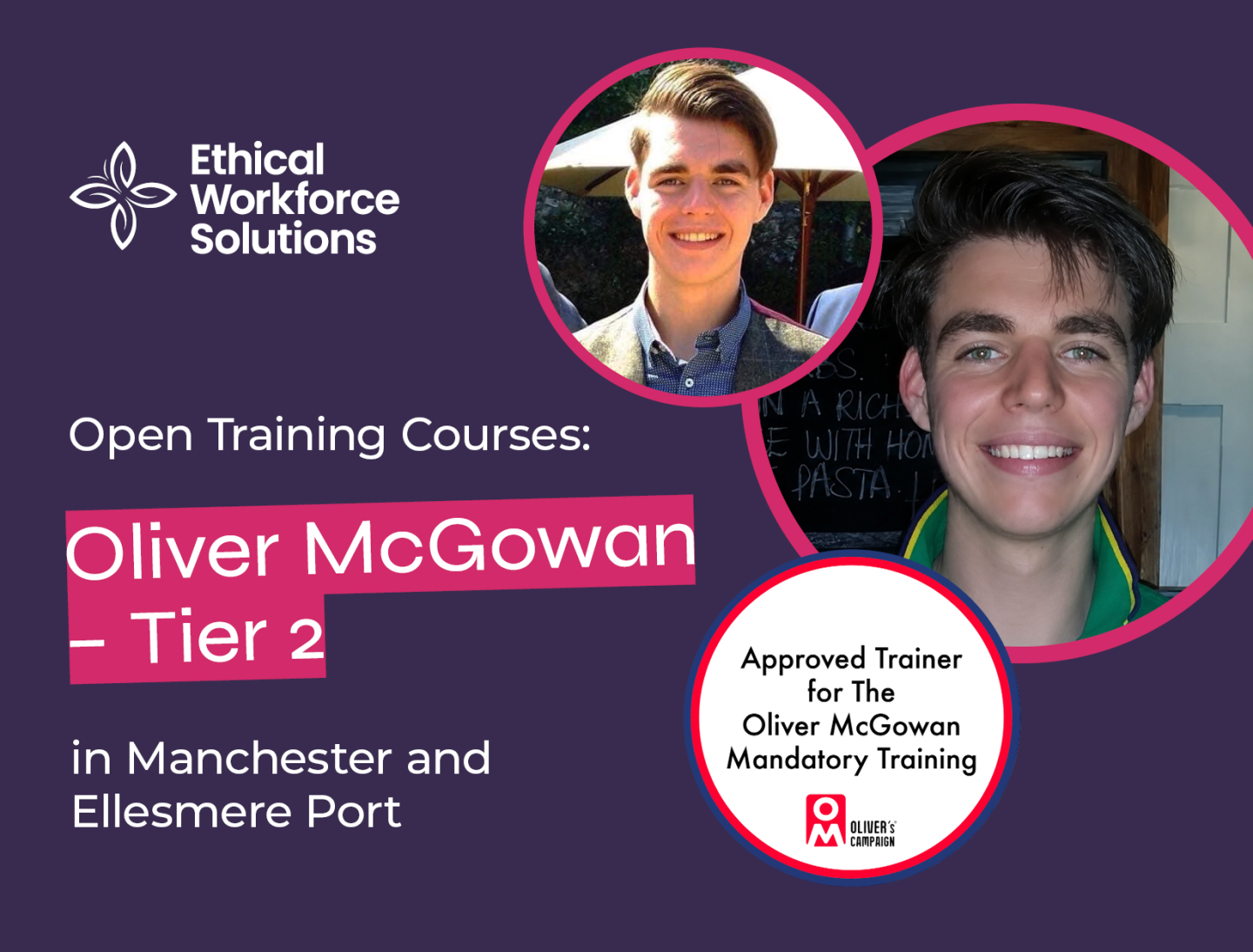
Oliver McGowan Mandatory Training: A Manager and Governance Perspective
For many managers, mandatory training is often judged by completion rates, compliance records and the practical challenge of getting staff booked in. Oliver McGowan mandatory training deserves a wider lens than that. It is not only a training requirement to be scheduled and recorded. It is also a governance issue, a quality issue and a patient and service user safety issue.
Looking at this topic from a management perspective helps organisations understand why the training matters, how it fits into wider assurance, and what good planning can do for consistency across teams.
Who was Oliver McGowan?
Oliver McGowan was a young autistic man with a learning disability whose death highlighted serious concerns about how people with a learning disability and autistic people can be misunderstood in health and care settings. His story became central to national discussion about the need for better staff understanding, better communication and more consistent person centred practice.
For managers, this is important because the lesson is not simply that one personÆs experience was tragic. The wider message is that organisations need systems, training and oversight that help reduce the risk of people being poorly supported because their needs are not properly recognised.
Why the training matters for managers
Oliver McGowan mandatory training supports staff to understand the needs of people with a learning disability and autistic people in a more informed and respectful way. From a management and governance angle, this matters because staff knowledge influences day to day decisions, escalation, communication and care planning.
Managers are often responsible for making sure training is not treated as a one off event with no follow up. The real value comes when the learning is connected to supervision, team discussion, incident review and service improvement. That is where the training becomes part of organisational culture rather than simply a line on a spreadsheet.
It can also help managers identify gaps in confidence. A team may appear compliant on paper, but still struggle in practice when someoneÆs communication style, sensory needs or distress behaviour is misunderstood. Training gives managers a better basis for coaching, supporting and monitoring staff performance.
A governance issue, not just a learning task
Good governance means being able to show that people are supported safely and consistently. Oliver McGowan mandatory training can contribute to that by helping organisations demonstrate a planned approach to staff development. It can also support internal audits, quality reviews and wider workforce planning.
For example, a manager may want to know:
- which staff groups have completed the relevant learning
- where refresher needs or knowledge gaps are most likely to appear
- how training outcomes are being linked to practice
- whether staff across different locations are receiving the same message
These are not simply training administration questions. They are part of a robust governance approach that helps leaders keep oversight of quality and risk.
How managers can plan delivery effectively
One of the common challenges for managers is finding a practical way to organise mandatory training without disrupting service delivery. A clear plan helps. That might mean using an up to date list of future open bookings, allowing staff to join scheduled sessions where appropriate, or booking a group session for a team, service or wider organisation.
Ethical Workforce Solutions can support organisations in a flexible way, including book your own group anywhere across the UK. This can be especially helpful when you want the training to reflect your own service context, local needs and staffing structure.
Funding is also an important consideration. Full LDSS / Skills for Care funding is available, which may help organisations plan training more confidently. If you are responsible for budgets, workforce planning or compliance, it is worth reviewing the options early and aligning them with your training calendar.
What good manager led implementation looks like
In practice, good implementation often starts with clear communication. Staff should understand why the training is being prioritised, what it is intended to support, and how it links to safer, more person centred support. When managers explain the purpose clearly, teams are more likely to engage with the learning in a meaningful way.
It also helps to build in follow up. For example, managers can use team meetings to discuss how the learning applies to real scenarios, review how peopleÆs needs are being recorded, and make sure support plans reflect what staff have learned. This turns training into practice improvement.
Another useful approach is to keep an eye on consistency across services. If one team is strong on communication adjustments but another is still struggling with reasonable expectations and information sharing, that gap may show up in outcomes. Training can help bring the whole organisation closer together.
Next steps for organisations
Oliver McGowan mandatory training is an important part of helping staff support people with dignity, understanding and consistency. For managers, it is also a practical tool for strengthening governance, improving assurance and supporting better care.
If you are reviewing your training plan, looking for future open bookings, or considering a group booking for your team, check out the website for more information. Ethical Workforce Solutions can help you explore the options and find a delivery approach that works for your organisation.
Visit https://www.ethicalworkforcesolutions.co.uk to learn more.
Upcoming Oliver McGowan Tier 2 open courses
- Tuesday, 25 August 2026 – Salford – 9am to 4pm
- Wednesday, 26 August 2026 – Ellesmere Port – 9am to 4pm
- Wednesday, 2 September 2026 – Salford – 9am to 4pm
- Thursday, 3 September 2026 – Ellesmere Port – 9am to 4pm
- Tuesday, 15 September 2026 – Salford – 9am to 4pm
- Friday, 18 September 2026 – Ellesmere Port – 9am to 4pm
- Wednesday, 23 September 2026 – Salford – 9am to 4pm
- Wednesday, 7 October 2026 – Ellesmere Port – 9am to 4pm
Our Accreditations

Accredited Care & Training.
Find out more about our services
Our friendly staff are always available to help you with your needs. If you need assistance or have questions, please get in touch with us for more information.